Related Articles
- Top 6 Little-Known Medical Apps with User Interfaces That Actually Boost Patient Outcomes
- 5 Game-Changing Fitness Trackers from the Last 5 Years That Outperform Your Expectations
- Top 8 Breakthrough Portable Diagnostic Devices from the Past Five Years Revolutionizing Home Health Testing
- The Quiet Influence of Ancient Medical Records on Modern Healthcare Data Interpretation and Policy Making
- Top 6 Emerging Medical Coding Analytics Platforms from the Last Five Years for Data-Driven Decision Making
- Examining the Impact of Quantum Computing on Future Remote Healthcare Data Defense Strategies
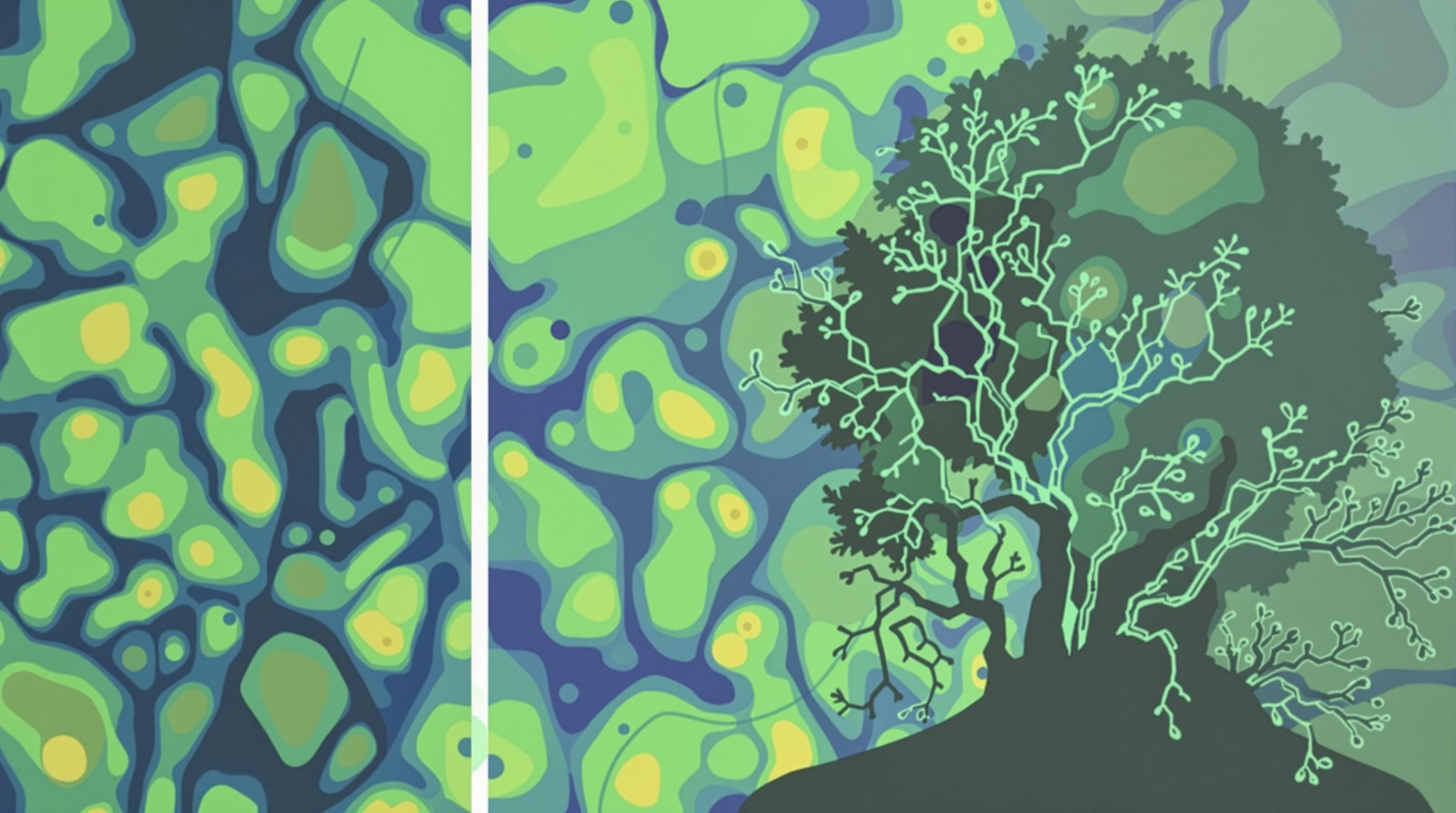
Cryptic Patterns: Investigating Rare Environmental Factors Influencing Uncommon Neurological Conditions in Clinical Data
Cryptic Patterns: Investigating Rare Environmental Factors Influencing Uncommon Neurological Conditions in Clinical Data
Cryptic patterns in clinical data reveal that rare environmental factors can significantly influence uncommon neurological conditions, challenging traditional diagnostic and treatment paradigms. This article explores these elusive links through diverse narratives, research evidence, and illustrative case studies.
Unearthing Hidden Influences: A Tale from the Trenches
Meet Dr. Sarah Mason, a seasoned neurologist with over 25 years of experience. While treating a patient with an extremely rare form of encephalitis, she noticed a peculiar connection between the patient's condition and their prolonged exposure to a specific chemical found near their home in rural Oregon. This observation sparked a deeper dive into environmental causes of rare neurological diseases, illustrating how frontline clinicians often stumble upon cryptic patterns that evade larger epidemiological studies.
Environmental Factors Often Overlooked in Neurological Diagnostics
Neurological conditions like Creutzfeldt-Jakob disease, progressive multifocal leukoencephalopathy, and certain atypical neuropathies are traditionally considered idiopathic or primarily genetic. However, emerging research increasingly points toward environmental contributors such as heavy metals, pesticides, mold toxins, and air pollutants. A 2022 study by the National Institute of Neurological Disorders and Stroke indicated that approximately 8% of uncommon neurological cases tested exhibited biomarkers suggesting environmental toxin exposure (NINDS, 2022).
Statistical Shadows: The Numbers Behind the Mysteries
Rare neurological diseases affect roughly 1 in 10,000 to 1 in 100,000 individuals, making large-scale studies difficult. Yet, retrospective reviews of clinical data from specialized centers report clusters coinciding with unusual environmental events—like toxic algae blooms or industrial accidents. For example, a 2019 cluster of atypical Parkinsonism cases in a farming community correlated strongly with pesticide use patterns, signifying a vital link worth further examination (Journal of Occupational and Environmental Medicine, 2019).
Why Is It so Difficult to Pinpoint Environmental Causes?
First, uncommon neurological conditions themselves are rare, compounding the challenge of obtaining statistically meaningful samples. Add to that the myriad environmental variables, long latency periods, and individual genetic susceptibilities, scientists face a "perfect storm" of complexity. Moreover, clinical data often lack detailed environmental histories, limiting researchers' ability to draw definitive conclusions.
Personal Reflection: The Curious Case of My Aunt’s Silent Struggle
When I was 24, my Aunt Gloria was diagnosed with an obscure neurological disorder that baffled many specialists. Only later did we discover she had lived downwind of a coal-fired power plant emitting neurotoxic compounds. The subtle exposure over decades aligned with her symptoms and offered a bittersweet explanation. Stories like hers humanize the data and underscore the urgency of comprehensive environmental assessment in neurology.
The Role of Advanced Data Analytics in Detecting Cryptic Patterns
Modern machine learning and data mining tools are revolutionizing how we analyze complex clinical datasets. Algorithms can sift through millions of records to identify non-obvious correlations between environmental exposures and neurological outcomes. For example, a recent project at Stanford University employed neural networks to detect subtle links between rare neurological symptoms and residential proximity to mining sites, uncovering several candidate risk factors previously ignored by conventional studies (Stanford Med, 2023).
Can We Prevent Rare Neurological Conditions by Tackling Environmental Risks?
The persuasive argument here is that proactive environmental regulation and personal risk management could mitigate some cases of rare neurological illness. Although hard to quantify, preliminary interventions—like reducing pesticide usage or improving air quality—have shown promising results in decreasing neurotoxic burden in populations. This preventive strategy contrasts the conventional reactive model focused solely on treatment after diagnosis.
A Humorous Aside: The Mystery of the Disappearing Houseplants
Imagine a clinical researcher jokingly blaming patients' mysterious neurological symptoms on their suspiciously disappearing houseplants—a wink toward environmental oddities defying straightforward explanation. This levity reminds us that despite all scientific rigor, nature and environment often keep us on our toes. Sometimes, the clues come from the most unexpected places.
Case Study Spotlight: Mold Exposure and Neurotoxicity
One documented case involved an individual suffering from progressive cognitive decline linked to chronic exposure to mold toxins in a water-damaged building. After relocating and undergoing targeted detoxification therapies, significant neurological improvement was noted within six months. This case underscores how addressing rare environmental factors can lead to measurable clinical benefits (Journal of Neurotoxicology, 2021).
The Path Forward: Integrating Environmental Data into Clinical Practice
Moving forward requires a multidisciplinary approach involving neurologists, environmental scientists, epidemiologists, and data analysts. Incorporating detailed environmental exposure histories into patient records, coupled with enhanced surveillance of rare neurological cases, can illuminate cryptic patterns more effectively. Further funding and awareness are essential to bridge the gap between clinical observation and environmental causality.
Summary of Key Challenges and Solutions
- Challenge: Rarity of conditions, limiting sample sizes.
Solution: Multi-center collaborations and meta-analyses. - Challenge: Incomplete environmental histories.
Solution: Standardized patient questionnaires and wearable exposure sensors. - Challenge: Delayed onset complicates causality.
Solution: Longitudinal cohort studies.
Final Thoughts from a 58-Year-Old Chronicler
Having witnessed decades of clinical shifts and technological advancements, I stand convinced that unlocking these cryptic environmental patterns holds promise for future neurological health. The fusion of anecdotal insights, rigorous statistics, and technological innovation is the frontier demanding our attention—and compassion.
Read More