Related Articles
- Top 6 Little-Known Medical Apps with User Interfaces That Actually Boost Patient Outcomes
- 5 Game-Changing Fitness Trackers from the Last 5 Years That Outperform Your Expectations
- Top 8 Breakthrough Portable Diagnostic Devices from the Past Five Years Revolutionizing Home Health Testing
- The Quiet Influence of Ancient Medical Records on Modern Healthcare Data Interpretation and Policy Making
- Top 6 Emerging Medical Coding Analytics Platforms from the Last Five Years for Data-Driven Decision Making
- Examining the Impact of Quantum Computing on Future Remote Healthcare Data Defense Strategies
When Digital Shadows Reveal More About You Than Your Health Records Ever Could
When Digital Shadows Reveal More About You Than Your Health Records Ever Could
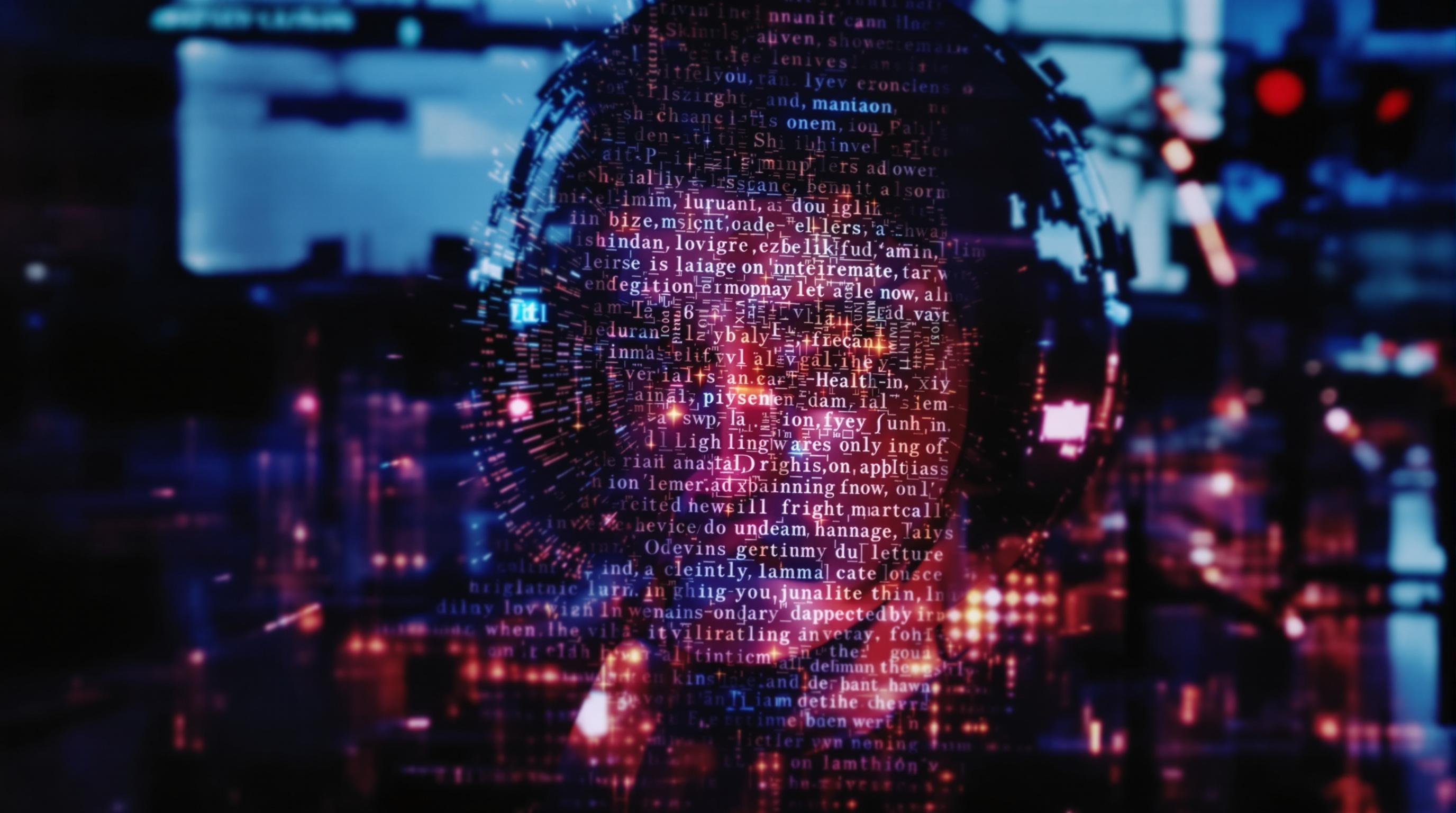
Our digital footprints paint a remarkably detailed portrait of us, often outstripping the insights gleaned from traditional health records. This article explores the profound implications of how the traces we leave online reveal more about our well-being and vulnerabilities than we might expect.
A Casual Stroll Through Your Digital Shadow
Imagine scrolling through your social media feed, sharing memes, posting vacation snaps, and chatting about your day. Beneath this casual veneer lies a trove of data points that, when pieced together, sketch a narrative of your physical and mental health. Companies and health researchers alike are increasingly mining these “digital shadows” for clues about lifestyle, habits, and even early signs of illness.
The New Health Record?
Consider this: while your doctor’s notes typically capture diagnoses, treatments, and test results, your smartphone records your step count, heart rate variability, sleeping patterns, and even your voice tone during calls. Social media posts might reveal mood swings, dietary preferences, or social interactions—elements traditional health documents rarely quantify but are crucial indicators of well-being.
Did You Know?
A study conducted by researchers at the University of Pennsylvania found that an algorithm analyzing Facebook status updates could predict depression with up to 70% accuracy—even before clinical diagnosis (Eichstaedt et al., 2018). This powerful example signals how digital data can outpace routine health assessments in early detection.
From Formal to Friendly: Changing Perspectives
Let me tell you a story. At 45, John thought his health journey was pretty straightforward. He dutifully logged annual doctor visits, took prescribed meds, and avoided junk food. Yet, it was a quirky fitness app that alerted him to irregular heart rhythms far quicker than his cardiologist's notes ever did. Turns out, John’s digital shadow—his wearable device monitoring him silently—saved his life. Sometimes, the informal digital diary reveals what formal records miss.
The Silent Data Collectors
Every app, every browser cookie, and every fitness tracker contributes to this data pool. While these tools provide convenience, they also collect data around the clock, including location information, activity levels, purchase history, and even text messaging tone. The scope of this data is staggering; according to Domo's report, 2.5 quintillion bytes of data are created every single day (Domo, 2020). Within it lies information that could map your health trajectory with precision.
Wait, what about privacy?
Of course, there's a flipside. As much as your digital shadows can illuminate hidden health insights, they present a privacy nightmare. How much do we know about where our data goes? Health records are shielded by strict regulations like HIPAA, but digital footprints are often outside these protections. The potential for misuse or even discrimination is real—employers or insurers might one day access these data streams, raising thorny ethical dilemmas.
Breaking Down the Data: A Creative Take
Picture your health data as a puzzle. Traditional records offer chunky corner pieces—diagnoses, medications, procedures. In contrast, digital shadows scatter thousands of tiny, colorful fragments all over the table: your Twitter rants about anxiety, your midnight Google searches on diet fads, your fluctuating Spotify playlists from energetic to melancholic. These fragments, when integrated skillfully, complete a vibrant, nuanced picture that static health documents simply cannot match.
Conversational Insights
“I never thought my binge-watching habits were telling anyone about my stress,” says Emily, 29. “But my wearable tracked my restless nights, and a mental health app nudged me to seek therapy.” Stories like Emily’s showcase how seamlessly digital environments merge with personal health arenas, sometimes acting as informal coaches or early warning systems.
Case Study: Predicting Flu Outbreaks via Social Media
Public health experts have leveraged Twitter data to track flu season spikes. A 2014 study published in PLOS Computational Biology demonstrated that real-time social media monitoring could forecast flu outbreaks a full week ahead of traditional CDC reports (Paul & Dredze, 2014). Here, digital shadows become powerful public health tools, offering agility and scale impossible through clinical data alone.
A Persuasive Argument for Integrating Digital Data into Healthcare
It's time to rethink health monitoring by embracing the granular digital fingerprints we continually leave behind. By combining clinical records with digital data, health professionals can detect early signs of disease, tailor interventions, and promote preventive care. Ignoring this fusion risks leaving valuable health insights stranded in the digital ether.
Humor to Lighten the Data Storm
Okay, so your fridge knows you’re binge-eating ice cream at 2 a.m., your phone knows you’ve googled “am I getting sick?” twice this week, and even your smartwatch is silently judging your sedentary afternoon. It’s like having a nosy health detective following your every step—but hey, at least it’s a detective who wants you healthier rather than arresting you!
The Big Picture
We are living in the era of the quantified self, where the raw data streaming from our devices has become an unprecedented resource. The challenge lies not only in collecting this data but in responsibly interpreting, securing, and using it to enhance health outcomes without compromising individual rights.
Final Thoughts from a 38-year-old Sports Journalist
As someone who’s seen athletes’ lives dissected through performance metrics, I recognize the power and pitfalls of deep data analysis. When it comes to health, digital shadows don’t just supplement—they sometimes surpass traditional records in revealing the unseen. To stay ahead in health, both individuals and institutions must understand and harness this digital reflection thoughtfully.
References
Eichstaedt, J. C., et al. (2018). Facebook language predicts depression in medical records. Proceedings of the National Academy of Sciences, 115(44), 11203-11208.
Domo (2020). Data Never Sleeps 8.0 Report.
Paul, M. J., & Dredze, M. (2014). You Are What You Tweet: Analyzing Twitter for Public Health. PLOS Computational Biology.