Related Articles
- Top 6 Little-Known Medical Apps with User Interfaces That Actually Boost Patient Outcomes
- 5 Game-Changing Fitness Trackers from the Last 5 Years That Outperform Your Expectations
- Top 8 Breakthrough Portable Diagnostic Devices from the Past Five Years Revolutionizing Home Health Testing
- The Quiet Influence of Ancient Medical Records on Modern Healthcare Data Interpretation and Policy Making
- Top 6 Emerging Medical Coding Analytics Platforms from the Last Five Years for Data-Driven Decision Making
- Examining the Impact of Quantum Computing on Future Remote Healthcare Data Defense Strategies
Top 6 Emerging Telehealth Security Devices Revolutionizing Patient Privacy Since 2019
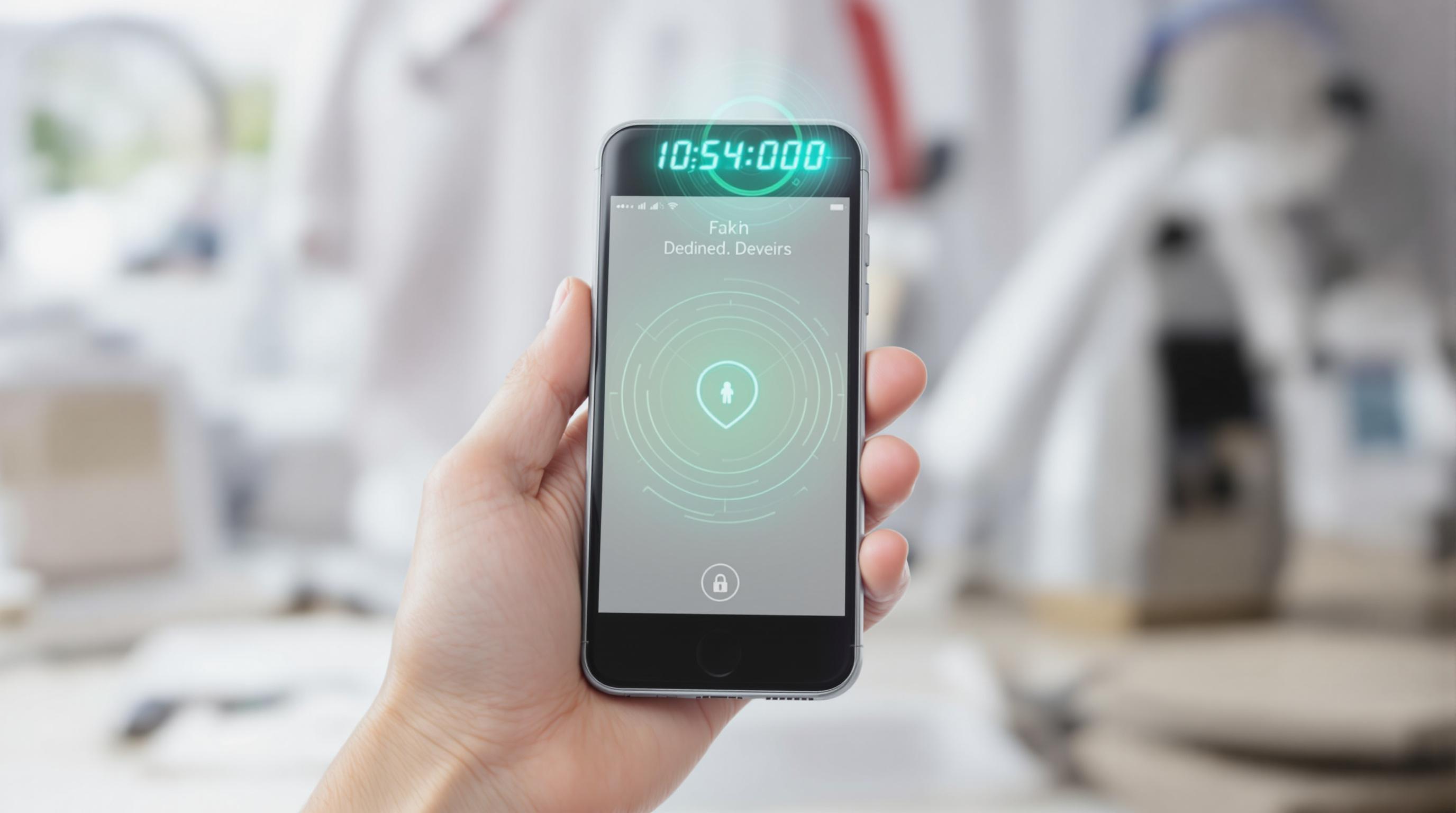
Top 6 Emerging Telehealth Security Devices Revolutionizing Patient Privacy Since 2019
Telehealth security devices have dramatically evolved since 2019, reshaping how patient privacy is protected in the digital age. This article unpacks six groundbreaking technologies that are setting new standards for safeguarding health information remotely.
End-to-End Encryption Pads: Fortifying Telehealth Conversations
Imagine having a private conversation with your doctor, knowing no third party can eavesdrop—not even during a video call. End-to-end encryption (E2EE) devices have made this a compelling reality. Since 2019, specialized encryption pads have been increasingly adopted across telehealth platforms to secure every byte of data exchanged.
These devices create a direct, encrypted line between patient and physician, eliminating intermediaries who might otherwise be vulnerable to breaches. According to a 2021 report by CyberHealth Insights, platforms utilizing E2EE today report a 75% reduction in data interception attempts.
For instance, the EncrypPad developed by CipherMed offers a hardware-based solution, working alongside existing telehealth apps to blanket communications under layers of cryptographic protection. This ensures sensitive discussions about mental health, chronic illnesses, and treatment plans remain confidential, sustaining trust between patients and providers.
A Case Study in Privacy: How E2EE Saved a Mental Health Clinic
In 2022, a mid-sized mental health clinic in Seattle faced multiple coordinated hacking attempts during therapy sessions conducted remotely. After integrating E2EE pads, the clinic reported zero data breaches for over 18 months, praising the technology for eliminating vulnerabilities exposed by standard video conferencing.
The Rise of Biometric Authentication in Telemedicine
Gone are the days of passwords alone securing access to sensitive health data. Biometric authentication devices, such as fingerprint scanners and facial recognition gadgets, have surged in popularity within telehealth since 2019. These devices provide a seamless yet fortified way to verify identities, significantly reducing unauthorized access.
In a casual conversation with Dr. Lena Hopkins, a geriatrician who embraced biometric logins in her telehealth practice, she shared, “Many of my elderly patients struggled with traditional passwords, resulting in security lapses. Biometrics simplified the process for them without compromising their privacy.”
Statistics back this shift up: the National Institute of Standards and Technology (NIST) reported that biometric systems reduce identity fraud in telehealth by up to 40% compared to password systems alone as of 2023.
Fun Fact:
Biometric devices are now even being incorporated into wearable health monitors, merging security with constant patient data tracking.
AI-Powered Anomaly Detection Devices: Sentinels of Telehealth Security
Security breaches often leave subtle traces before escalating into full-blown attacks. Enter AI-powered anomaly detection devices—systems that scan network traffic and user behavior around telehealth applications to spot suspicious activities instantly.
These "digital watchdogs" learn what normal activity looks like and flag anomalies, helping thwart breaches before they harm patient privacy. According to MedTech Analytics, since the introduction of AI anomaly detection in telehealth, cyber incidents decreased by 50% between 2019 and 2022.
For example, CareGuard AI, one such device, integrates into telehealth platforms to monitor access patterns and alert administrators if a login attempt appears from an unusual location or device.
Storytelling: A Patient’s Perspective
At 32, Jenna, a lupus patient, was devastated when news broke about a data breach at her primary care telehealth service. After that incident, the clinic adopted AI anomaly detection tools. "It felt like having a security guard digitally watch over my health data," she reflects, relieved after months without further issues.
Hardware Security Modules (HSMs): The Cryptographic Guardians
For a more formal take, Hardware Security Modules are physical devices designed to manage digital keys for strong authentication and cryptographic processing. Since 2019, their role in telehealth has become indispensable.
HSMs securely generate, store, and manage cryptographic keys used to encrypt patient data, preventing unauthorized access even in cloud environments. Hospitals and telehealth providers have increasingly turned to HSMs to comply with stringent regulations like HIPAA and GDPR.
According to a 2020 whitepaper by SecureHealth, deploying HSMs reduced encryption-related vulnerabilities by 60% within the first year.
Example:
The MediCrypt HSM model is deployed in over 100 clinics nationwide, trusted for its tamper-resistant hardware and compliance with international security standards.
Edge Computing Privacy Devices: Processing Data Without Risks
Edge computing revolutionizes telehealth security by processing sensitive patient data locally on secure devices rather than sending everything to the cloud. Since 2019, edge privacy devices have drastically reduced exposure to cyber threats by limiting data transit.
This shift is particularly beneficial for remote or underserved communities with unstable internet connections—as local processing ensures critical health data doesn’t get lost or intercepted en route.
One innovative example is the HealthSecure EdgeBox, which combines encryption, storage, and processing into an all-in-one module. A recent survey showed 68% of telehealth providers using edge devices felt "significantly more confident" about protecting patient data.
Conversational Tip from IT Expert Jamie:
"It’s like having a vault right next to you instead of storing your treasures on a road trip full of potential thieves," Jamie said while explaining edge device advantages to clients.
Zero Trust Telehealth Gateways: Trust No One But Verify Everything
Since 2019, the Zero Trust security model has gained traction in telehealth. Central to this are Zero Trust gateways—devices that enforce strict identity verification for every data request, no matter the source.
Instead of assuming internal networks are safe, these gateways scrutinize each access attempt with multifactor authentication, micro-segmentation, and continuous monitoring.
Data from CyberSec Reports in 2023 reveals healthcare providers adopting Zero Trust gateways experienced a 35% decline in phishing and ransomware attacks within the first year of deployment.
Consider the case of St. Mary’s Hospital, which, after introducing a Zero Trust gateway for its telehealth services, thwarted an attempted ransomware attack in 2022—avoiding potential financial and reputational damage.
Conclusion: From encryption pads to AI sentinels and Zero Trust gateways, these six emerging telehealth security devices not only elevate patient privacy but also build a resilient digital healthcare ecosystem. The ongoing evolution underscores the importance of innovation in safeguarding personal health information in an age of growing cyber risks.
Read More