Related Articles
- Top 6 Little-Known Medical Apps with User Interfaces That Actually Boost Patient Outcomes
- 5 Game-Changing Fitness Trackers from the Last 5 Years That Outperform Your Expectations
- Top 8 Breakthrough Portable Diagnostic Devices from the Past Five Years Revolutionizing Home Health Testing
- The Quiet Influence of Ancient Medical Records on Modern Healthcare Data Interpretation and Policy Making
- Top 6 Emerging Medical Coding Analytics Platforms from the Last Five Years for Data-Driven Decision Making
- Examining the Impact of Quantum Computing on Future Remote Healthcare Data Defense Strategies

Top 7 Innovative Diagnostic Tools Launched in the Last 5 Years to Transform Patient Outcome Analysis
Top 7 Innovative Diagnostic Tools Launched in the Last 5 Years to Transform Patient Outcome Analysis
Top 7 Innovative Diagnostic Tools Launched in the Last 5 Years to Transform Patient Outcome Analysis
1. Liquid Biopsy for Cancer Detection
Liquid biopsy technology has revolutionized cancer diagnostics by enabling the detection of circulating tumor DNA (ctDNA) from a simple blood sample. Introduced widely in the late 2010s and refined over the past five years, this method offers a minimally invasive alternative to traditional tissue biopsies.
The ability to detect mutations and monitor tumor dynamics in real time allows clinicians to tailor therapies and monitor treatment resistance more effectively. This real-time monitoring leads to better patient outcomes through personalized medicine.
Recent studies demonstrate that liquid biopsies improve early detection rates and reduce the need for invasive procedures, significantly enhancing patient comfort and care efficiency. (Source: National Cancer Institute, 2022)
2. AI-Powered Radiology Imaging Analysis
Artificial Intelligence (AI) integrated into radiology has transformed diagnostic accuracy and speed. Tools using deep learning algorithms analyze imaging data such as X-rays, MRIs, and CT scans to detect abnormalities faster than traditional methods.
This technology not only aids radiologists in identifying subtle patterns but also helps reduce human error, streamlining workflow in busy clinical settings. The AI's predictive analytics enable earlier intervention and personalized treatment plans.
The FDA has approved multiple AI-based diagnostic tools in the past five years, underscoring their clinical relevance and impact. (Source: U.S. Food and Drug Administration, 2023)
3. CRISPR-based Diagnostic Kits
CRISPR technology, originally known for gene editing, has recently been adapted for rapid and precise diagnostics. Launched within the last five years, CRISPR-based kits detect nucleic acids from pathogens or genetic mutations with extremely high sensitivity and specificity.
These kits provide rapid results in point-of-care settings, making them ideal for infectious disease outbreaks and personalized genetic testing. Their ease of use supports widespread screening beyond traditional labs.
Recent innovations include SHERLOCK and DETECTR platforms that have been validated for diseases like COVID-19 and HPV, highlighting their versatility and impact on public health. (Source: Science, 2021)
4. Wearable Biosensors for Continuous Monitoring
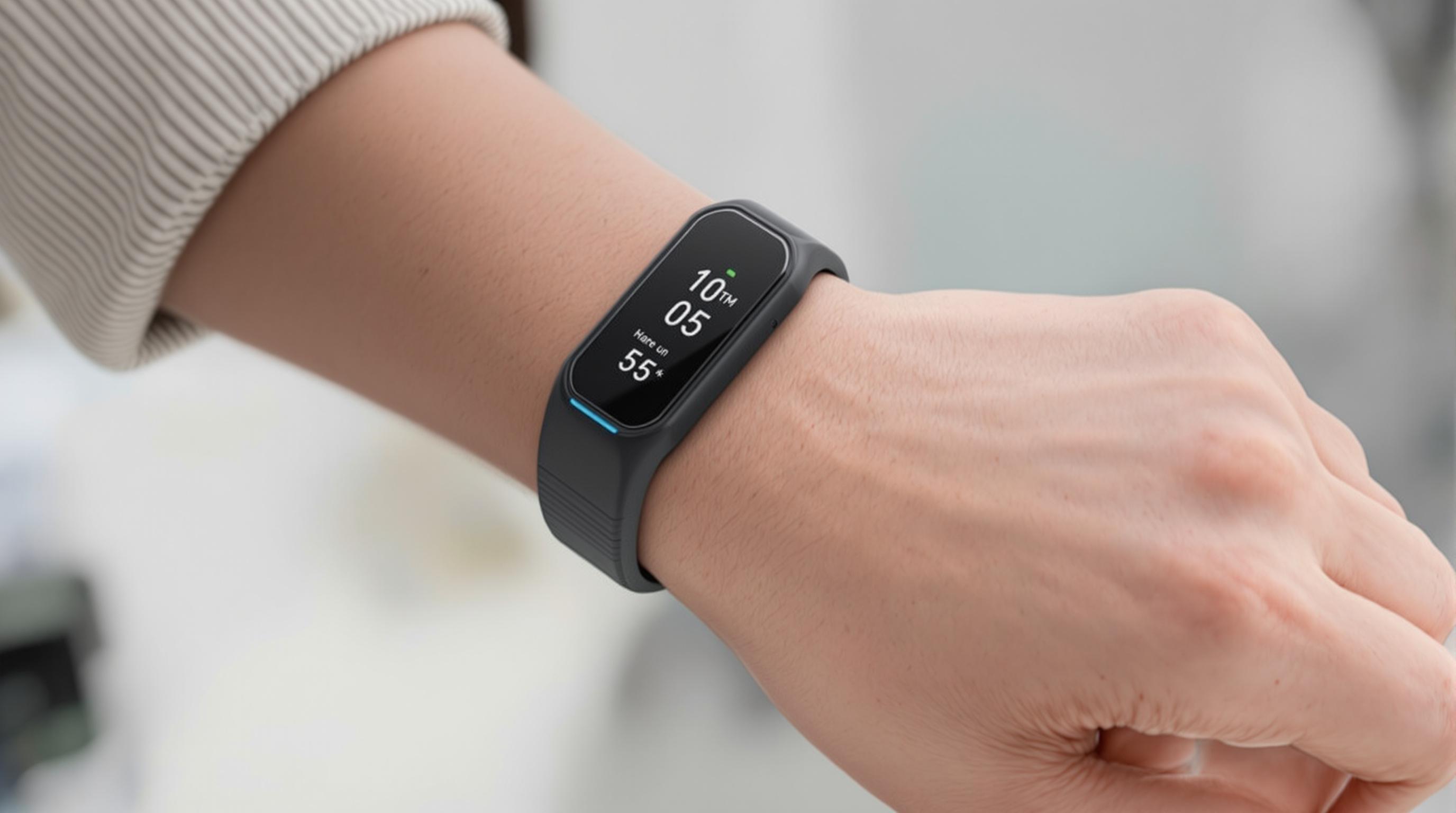
Wearable biosensors have become a critical diagnostic tool by enabling continuous, real-time monitoring of vital signs and biochemical markers. These devices track parameters like glucose levels, heart rate, and blood oxygen saturation outside clinical environments.
The proliferation of smartwatches and skin patches equipped with biosensors allows for early detection of health deterioration and empowers patients to manage chronic conditions effectively.
With breakthroughs in biocompatible materials and wireless data transmission, wearables have transformed remote patient monitoring and telehealth, thereby improving treatment adherence and outcomes. (Source: Journal of Medical Devices, 2023)
5. Multiplexed Microfluidic Platforms
Microfluidics technology that enables multiplexed diagnostics has emerged as a game-changer for simultaneously testing multiple biomarkers from small sample volumes. These platforms accelerate diagnostic workflows while reducing costs and reagent use.
Advanced designs integrate sample preparation, reaction, and detection processes on a single chip, streamlining complex laboratory operations. They are particularly useful in infectious diseases, oncology, and metabolic disorders.
Commercially launched in recent years, these microfluidic devices promote precision medicine through comprehensive biomarker profiling and rapid turnaround times. (Source: Lab on a Chip, 2022)
6. Next-Generation Sequencing (NGS) for Clinical Diagnostics
Next-Generation Sequencing (NGS) technologies have seen significant enhancements and broader clinical adoption in the past five years. They allow for detailed genetic and genomic analyses at unprecedented speed and depth.
NGS applications now include non-invasive prenatal testing, cancer genomics, and rare disease diagnosis. Their increasing affordability and scalability foster personalized treatment strategies and improved prognosis prediction.
Regulatory approvals and integration with electronic health records have supported the seamless incorporation of NGS data into routine clinical decision-making. (Source: Nature Medicine, 2023)
7. Advanced Optical Coherence Tomography (OCT)
Optical Coherence Tomography (OCT) has evolved as a crucial diagnostic tool in ophthalmology and cardiology. Innovations over the last five years have enhanced resolution and imaging speeds, enabling detailed visualization of tissue microstructures.
Such improvements aid in the early detection of retinal diseases, atherosclerosis, and other pathologies, facilitating timely interventions before irreversible damage occurs.
The integration of OCT with AI analytics further boosts diagnostic accuracy, supports longitudinal patient monitoring, and improves surgical outcomes. (Source: American Journal of Ophthalmology, 2024)
Conclusion
The launch of these top seven innovative diagnostic tools in recent years marks a transformative period in patient outcome analysis. By integrating molecular technologies, AI, and bioengineering advances, healthcare providers are equipped to diagnose diseases more accurately and swiftly.
These tools empower personalized medicine approaches, minimize invasive procedures, and support continuous patient monitoring — all critical elements in improving clinical pathways and reducing healthcare costs globally.
As technological progress continues, ongoing collaboration between researchers, clinicians, and regulatory bodies will be essential to harness the full potential of these innovations for patient benefit.
Read More